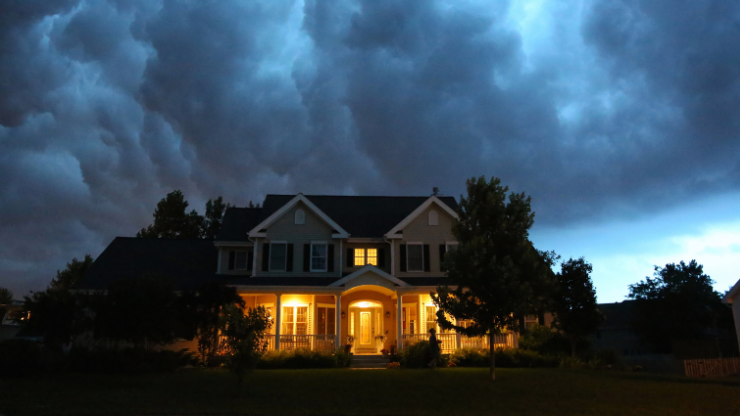
Power outages can happen anytime, and when they do, having a reliable backup power system is a lifesaver. Whether it’s a storm knocking out the grid or a planned outage, we want to keep our homes running smoothly. Choosing the best backup power for homes means understanding your needs, the options available, and what fits your budget. Let’s walk through everything you need to know to make a smart choice.
Why Backup Power for Homes Matters
When the lights go out, it’s more than just an inconvenience. We lose heating or cooling, refrigeration stops, and important devices like phones and medical equipment can’t charge. For many of us, backup power is about safety and comfort. It’s peace of mind knowing that no matter what happens, our home stays powered.
Backup power for homes comes in different forms, from portable generators to whole-house systems. Each has its pros and cons, and the right choice depends on your home size, power needs, and how long you want to stay powered during an outage.
Types of Backup Power Systems
There are several types of backup power systems to consider.
Here’s a quick overview:
- Portable Generators – These are gas-powered and can be moved around. They’re great for powering a few essential appliances but require manual setup and refueling.
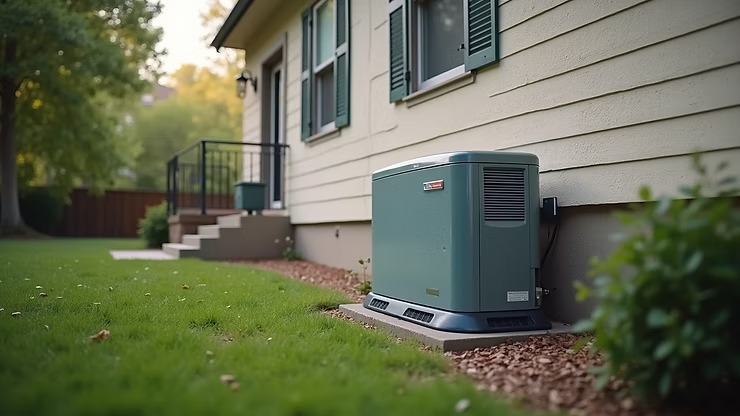
- Standby Generators – These are permanently installed outside your home and connect directly to your electrical system. They start automatically when the power goes out and run on natural gas or propane.
- Battery Backup Systems – These use batteries to store electricity, often paired with solar panels. They’re quiet, clean, and require little maintenance but may have limited power capacity.
- Solar Generators – Portable and powered by solar energy, these are eco-friendly but usually best for small power needs or short outages.
When choosing, think about what you want to power. Do you need to keep the whole house running, or just critical appliances like the fridge, lights, and medical devices? This will help narrow down your options.
How Much Does a Whole House Power Backup Cost?
Understanding the cost is key to making a good decision. Whole house backup power systems vary widely in price depending on size, fuel type, and installation complexity.
- Portable Generators can cost between $500 and $2,000. They’re the most affordable but require manual operation.
- Standby Generators typically range from $5,000 to $15,000 or more, including installation. Larger units that power the entire home cost more.
- Battery Backup Systems start around $7,000 and can go up to $20,000 or higher, especially when paired with solar panels.
Installation costs depend on your home’s electrical setup and fuel availability. It’s a good idea to get a professional assessment to understand what’s needed and get an accurate quote. At Machias Power and Plumbing, we offer flexible financing options for select services, including generator installation.
What to Consider When Choosing a Backup Power System
Here are some important factors to keep in mind:
-
Power Needs – Calculate the wattage of the appliances and systems you want to keep running. This helps determine the size of the generator or battery system.
-
Fuel Type – Natural gas, propane, gasoline, and solar are common options. Consider availability, cost, and storage safety.
-
Installation and Maintenance – Some systems require professional installation and regular maintenance. Make sure you’re comfortable with the upkeep or have a trusted service provider.
-
Noise Level – Generators can be noisy. Battery systems and solar generators are quieter options.
-
Runtime – How long do you need backup power? Portable generators need refueling, while standby generators and battery systems can run longer with proper fuel or charge.
-
Budget – Balance upfront costs with long-term benefits. Sometimes spending more initially saves money and hassle later.
Getting Professional Help
Choosing and installing backup power isn’t always straightforward. Working with a trusted local expert ensures you get the right system for your home and that it’s installed safely and correctly. Professionals can also help with permits and inspections.
If you’re in Snohomish, King, or Skagit Counties, finding a reliable service provider who understands local needs and codes is a big plus. They can offer honest advice tailored to your home and budget.
Keeping Your Home Powered, No Matter What
Power outages don’t have to disrupt your life. With the right backup power system, you can keep your home safe, comfortable, and connected. Whether you choose a portable generator for emergencies or a whole-house standby system, planning ahead makes all the difference.
If you want to learn more about home backup power systems, don’t hesitate to reach out to local experts who can guide you through the process. As a Generac-authorized dealer, we install, maintain, and service standby generators for homeowners across the region. Together, we can make sure your home stays powered when you need it most.