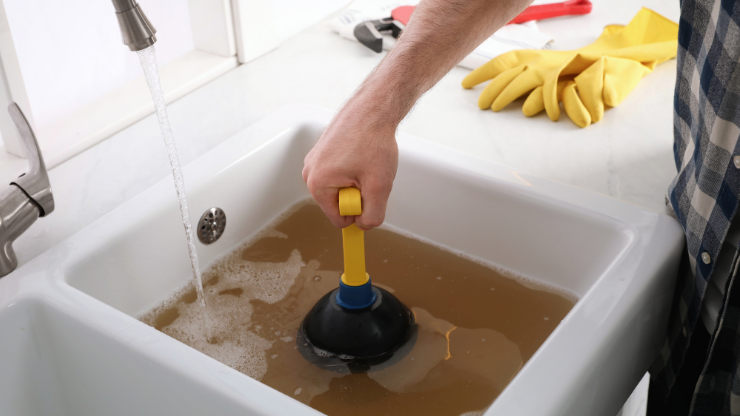
For homeowners dealing with a pesky drain, the experience is pretty universal. A sink backs up, someone runs a snake through it — maybe it’s a quick patch job from a plumber who didn’t dig much deeper — and water flows fine for a few weeks. Then it happens again. By the third DIY attempt, or worse, the third call to the same plumber, most homeowners start to wonder if they are just paying to delay the inevitable.
That instinct is usually right. A drain that clears and re-clogs on a predictable cycle isn’t a simple clog anymore. It’s a sign the underlying problem isn’t getting fixed, just temporarily cleared. A recurring mainline blockage often traces back to tree roots working through pipe joints, a partially collapsed section, or corroded cast iron — and it’s worth paying to find the actual cause rather than repeating the same service call.
Dealing with sewage backup or a drain that’s completely stopped?
Skip ahead to book your $99 emergency plumbing diagnostic — one of our licensed professionals will visit your home ASAP to uncover the actual problem.
Why the Same Drain Clogs, Again and Again
Everyday habits go a long way toward keeping drains clear. A mesh screen over the tub and shower drain catches hair before it ever reaches the pipe. Collecting cooking grease in a jar instead of pouring it down the sink keeps it from cooling and coating the inside of the line, and a lint trap on the washing machine hose stops fabric and debris from working their way into the drain. Even something as simple as periodically flushing pipes with hot water can help carry away the residue that low-flow fixtures leave behind.
But when a drain keeps clogging despite good habits, the cause has usually moved past what prevention can fix. A snake clears a path through an existing clog — it doesn’t prevent future clogs or repair anything that’s actually damaged.
Recurring clogs at this stage usually come down to:
- Buildup that regrows. Grease and food waste in kitchen lines, or hair and soap scum in bathroom lines, coat the pipe walls. Snaking or a quick chemical treatment reopens a channel through the middle, but the coating stays behind and narrows back down, sometimes within days or weeks — often requiring a full line clearing rather than another surface-level fix.
- Wipes and non-flushable products. Even when a toilet clears, wipes, paper towels, or other unflushable material can lodge farther down the line, where they continue snagging debris and rebuilding the clog out of sight.
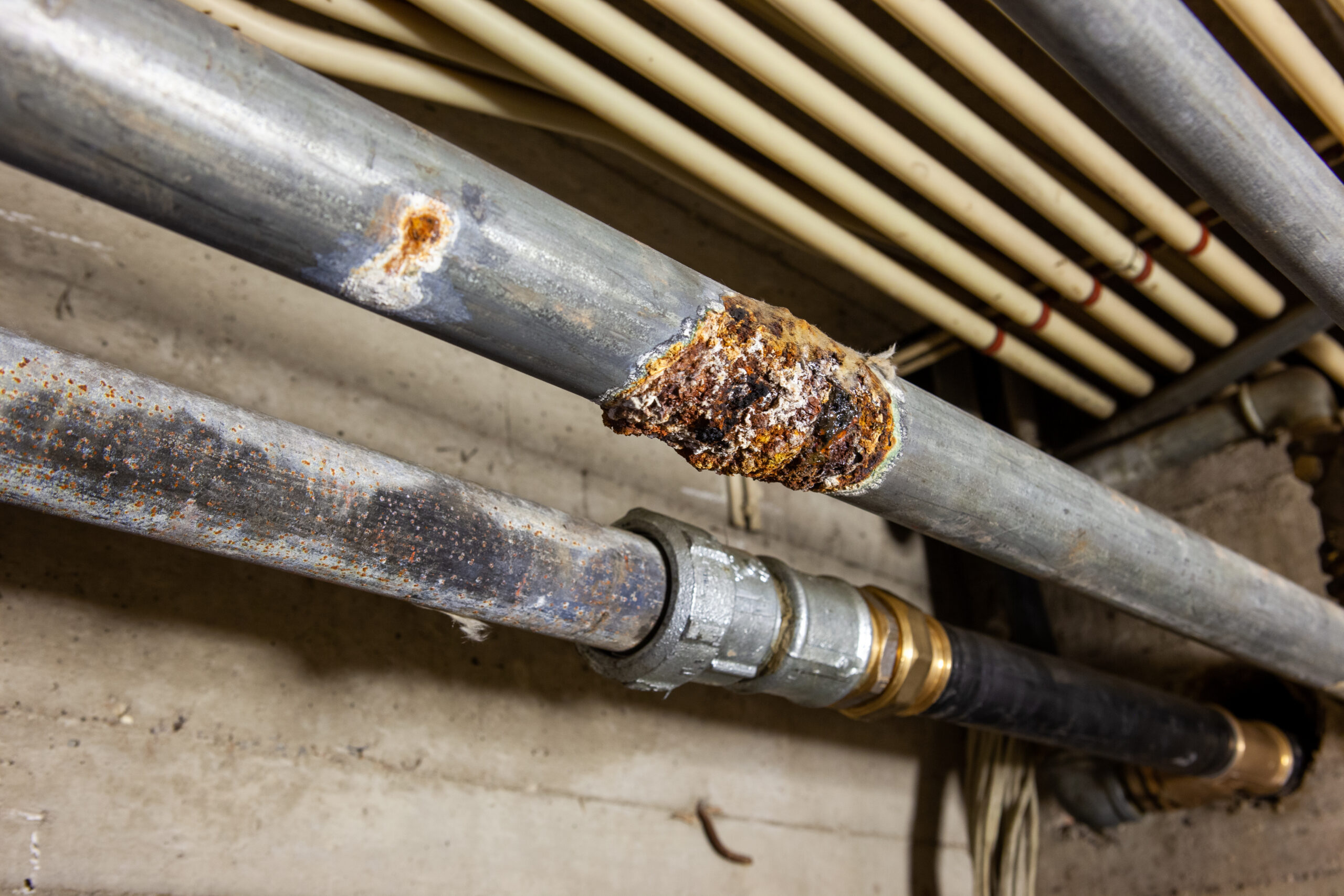
- Root intrusion. Roots find their way into aging clay or cast iron lines through small cracks and joints, and grow faster than most homeowners expect.
- Bellied or sagging pipe. A low spot in an older line collects waste instead of moving it — no amount of snaking fixes a pipe that no longer slopes correctly.
Machias handles the full range of drain work behind these issues, from kitchen sinks and garbage disposals to bathroom and tub drains, laundry and floor drains, storm and downspout lines, and the main sewer line itself.
Signs You’re Dealing With More Than a Simple Clog
Some drain issues really are one-off — a toy, a wad of paper towels, an isolated grease clog. Others are telling you there’s a bigger issue upstream.
Call sooner rather than later if you notice:
- A drain that’s slow or won’t clear at all, even after repeated attempts
- The same clog coming back again and again
- Gurgling sounds from drains or toilets
- Unpleasant odors coming from your drains
- Multiple drains backing up at the same time
- Any sign of sewage backing up into the home
Multiple fixtures acting up together is one of the clearest signals the issue is further down the line, not isolated to one sink or tub.
When a Camera Inspection Beats the Snake
Snaking is fast, efficient, and typically the right call for a one-off clog. The mistake is treating it as the default answer to a drain that keeps returning.
A proper diagnosis starts before any equipment goes into the line. That means asking which fixtures are affected, how often the clog returns, and what’s already been tried — a pattern across multiple drains points somewhere different than one stubborn sink. From there, a camera inspection feeds a flexible rod with a waterproof lens directly into the pipe, showing the inside in real time instead of guessing from symptoms on the surface. Roots, a bellied section, a cracked joint, or built-up scale all look distinct on camera, and the footage pinpoints roughly how far down the line the problem sits.
That professional diagnosis determines the actual fix. Hydro jetting uses high-pressure water to strip buildup and roots from the inside of the pipe without damaging it — a more thorough clean than a snake can manage, and often the right call when the pipe itself is still sound. A cracked or collapsed section calls for a repair instead; a line that’s simply reached the end of its life gets an honest conversation about replacement rather than another round of temporary fixes.
Don’t Pay for the Same Clog Twice
If the same drain has clogged more than once, snaking it again isn’t solving anything — it’s buying a few more weeks before the next call.
Homeowners who skip the diagnostic step and keep paying for snaking often spend more over a year or two than one correct repair would have cost upfront. At Machias Power and Plumbing, we provide upfront service estimates that can easily be found on our Pricing page. This includes our $99 emergency plumbing diagnostic, which gives Snohomish, King, and Skagit County homeowners a clear idea of what finding the real answer costs before any work begins.
Our licensed plumbing professionals can find out what’s actually happening and fix it for good. To schedule an emergency plumbing diagnostic or talk through what you’re noticing, contact us today.