Electrical systems are complex and can pose risks such as shocks, fires, and damage to appliances. While major electrical work requires professionals, we can take simple steps to improve safety. Small safety gadgets act as early warning systems or protective barriers that reduce the chance of accidents.
Why Small Electrical Safety Devices Matter
Using these tools is a proactive way to maintain a safe home environment without expensive upgrades.
Here are some benefits:
- Prevent electrical fires by detecting faults early.
- Protect appliances from power surges.
- Alert occupants to dangerous conditions like smoke or carbon monoxide.
- Help diagnose electrical problems before they become serious.
By investing in these devices, we can significantly enhance our home safety.
Circuit Testers Help You Spot Electrical Problems
Circuit testers are handheld devices that check if an outlet or circuit is working correctly.
They detect issues like:
- No power or incorrect wiring
- Open grounds or reversed polarity
- Voltage levels that are too high or low
Types of Circuit Testers
- Basic outlet testers: Simple plug-in devices with indicator lights showing wiring status.
- Multimeters: More advanced tools measuring voltage, current, and resistance.
- Non-contact voltage testers: Detect live wires without touching them.
How to Use Circuit Testers Safely
- Always follow the manufacturer’s instructions.
- Test outlets regularly, especially in older homes.
- If a tester shows a problem, call a licensed electrician to fix it.
Circuit testers are inexpensive and easy to use, making them a valuable first step in electrical safety.
Surge Protectors Guard Your Electronics and Wiring
Power surges happen when electricity spikes suddenly, often due to lightning, power outages, or faulty wiring. These surges can damage sensitive electronics and even cause fires.
Why Surge Protectors Are Essential
- Absorb excess voltage to protect devices.
- Prevent damage to home wiring and appliances.
- Provide multiple outlets with built-in protection.
Choosing the Right Surge Protector
- Look for a joule rating of at least 1000 for good protection.
- Check for UL certification to ensure safety standards.
- Consider features like indicator lights showing protection status.
- Use whole-house surge protectors for comprehensive coverage or plug-in types for individual devices.
Where to Install Surge Protectors
- At the main electrical panel for whole-house protection.
- On power strips for computers, TVs, and other valuable electronics.
- Near sensitive appliances like refrigerators and HVAC units.
Surge protectors are a cost-effective way to extend the life of your electronics and reduce fire risk.
Smoke Detectors Save Lives by Detecting Fire Early
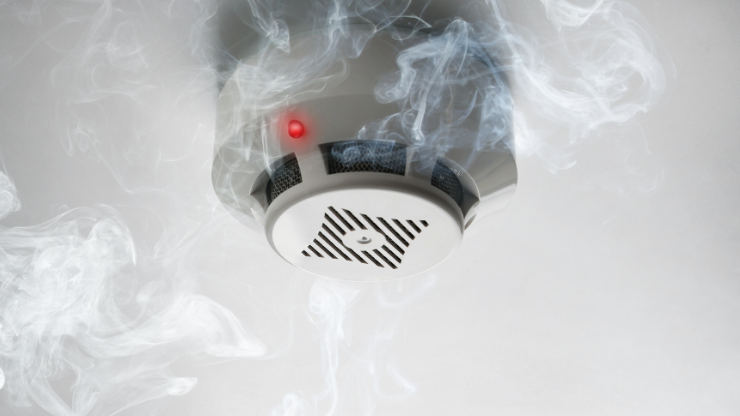
Smoke detectors are the most critical safety device in any home. They alert us to smoke or fire, giving us time to escape and call for help.
Types of Smoke Detectors
- Ionization detectors: Detect fast-flaming fires.
- Photoelectric detectors: Better at sensing smoldering fires.
- Combination alarms: Use both technologies for broad coverage.
Tips for Choosing Smoke Detectors
- Buy units with a 10-year sealed battery to avoid frequent replacements.
- Choose detectors with loud alarms and test buttons.
- Consider interconnected alarms that sound throughout the house.
Best Places to Install Smoke Detectors
- Inside every bedroom.
- Outside sleeping areas.
- On every level of the home, including basements.
- At least 10 feet from cooking appliances to reduce false alarms.
Test smoke detectors monthly and replace batteries yearly to ensure they work when needed.
Additional Safety Devices to Consider
Beyond the basics, other small gadgets can enhance electrical safety:
- Ground Fault Circuit Interrupters (GFCIs): Protect against electric shock in wet areas like bathrooms and kitchens.
- Arc Fault Circuit Interrupters (AFCIs): Detect dangerous electrical arcs that can cause fires.
- Carbon Monoxide Detectors: Monitor for deadly CO gas from faulty appliances.
Installing these devices according to local electrical codes adds layers of protection.
How to Choose the Right Products for Your Home
Selecting safety gadgets depends on our home’s age, wiring condition, and lifestyle.
- Inspect your electrical system or hire a professional for an assessment.
- Prioritize devices that address your specific risks (e.g., surge protectors if you live in a lightning-prone area).
- Read product reviews and choose brands with good reputations.
- Check for certifications like UL or ETL to ensure quality and safety.
Installation Tips for Maximum Safety
- Follow manufacturer instructions carefully.
- Place devices where they can detect hazards early (e.g., smoke detectors on ceilings).
- Avoid installing surge protectors in damp or dusty locations.
- Test devices regularly and replace them according to recommended schedules.
If we are unsure about installation, it’s best to consult a licensed electrician.
Prioritize Electrical Safety in Your Home
In conclusion, investing in small electrical safety devices is essential for protecting our homes and families. By understanding the importance of circuit testers, surge protectors, and smoke detectors, we can take proactive steps to prevent accidents. Remember, safety starts with us. Let’s make our homes safer together. Contact us today to explore ways to protect your home.