When it comes to keeping our homes safe, one of the most important yet often overlooked tasks is checking the electrical wiring. Faulty wiring can lead to serious hazards like electrical fires, shocks, or power outages. That’s why regular home wiring checks are essential. They help us catch problems early and keep our homes running smoothly and safely.
Electrical systems are complex, and even small issues can cause big problems. By understanding the importance of wiring inspections and knowing what to look for, we can protect our families and our investments. Let’s dive into why home wiring checks matter and how we can make sure our electrical systems are in top shape.
Why Home Wiring Checks Are Crucial
Electrical wiring is the backbone of our home’s power system. Over time, wires can wear out, connections can loosen, and outdated systems may no longer meet safety standards.
Here are some key reasons why regular home wiring checks are a smart move:
- Prevent Fire Hazards: Faulty wiring is a leading cause of house fires. Damaged insulation, overloaded circuits, or exposed wires can spark dangerous fires.
- Avoid Electrical Shocks: Worn or damaged wiring increases the risk of shocks, which can be harmful or even fatal.
- Improve Energy Efficiency: Old or faulty wiring can cause power loss and increase your energy bills.
- Ensure Appliance Safety: Proper wiring protects your appliances from damage caused by power surges or shorts.
- Stay Up to Code: Electrical codes change over time. Wiring checks ensure your home meets current safety standards.
Regular inspections help us spot these issues before they become emergencies. It’s a proactive way to keep our homes safe and comfortable.
How to Perform Effective Home Wiring Checks
You don’t have to be an electrician to do some basic wiring checks yourself. However, for a thorough inspection, it’s best to call in a professional.
Here are some practical steps we can take to keep an eye on our home’s wiring:
-
Visual Inspection – Look for signs of wear and tear like frayed wires, scorch marks, or loose outlets. Check for flickering lights or outlets that feel warm to the touch.
-
Test Outlets and Switches – Use a simple outlet tester to check if outlets are wired correctly. Make sure switches operate smoothly without any buzzing sounds.
-
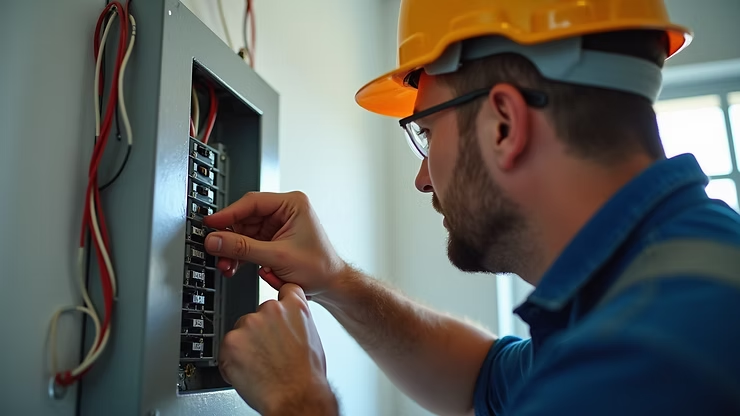
Check Circuit Breakers – Inspect your breaker panel for any tripped breakers or signs of corrosion. Reset any tripped breakers and monitor if they trip again frequently.
-
Look for Overloaded Circuits – Avoid plugging too many devices into one outlet or power strip. Overloading can cause overheating and damage wiring.
-
Schedule Professional Inspections – A licensed electrician can perform a detailed home electrical wiring inspection. They use specialized tools to test wiring integrity, grounding, and overall safety.
By combining these simple checks with professional inspections, we can maintain a safe electrical system.
Do Home Inspectors Check Electrical Wiring?
When buying or selling a home, a general home inspection usually includes a basic check of the electrical system.
Home inspectors will:
- Test outlets and switches for proper function
- Check the electrical panel for obvious issues
- Look for visible wiring problems or safety hazards
However, their inspection is not as detailed as a full electrical wiring inspection by a licensed electrician. Home inspectors do not typically open walls or test wiring with specialized equipment. They focus on identifying major safety concerns or code violations that could affect the sale.
If you want peace of mind about your home’s wiring, it’s a good idea to schedule a dedicated electrical inspection. This is especially important for older homes or if you notice any electrical issues.
Signs You Need a Professional Wiring Inspection
Sometimes, it’s clear when our home’s wiring needs attention.
Here are some common warning signs that should prompt a professional inspection:
- Frequent Circuit Breaker Trips: If breakers trip often, it could mean overloaded or faulty circuits.
- Flickering or Dimming Lights: This may indicate loose wiring or voltage fluctuations.
- Burning Smell or Scorch Marks: These are serious signs of electrical problems and fire risk.
- Buzzing or Crackling Sounds: Noises from outlets or switches can signal wiring issues.
- Warm or Discolored Outlets: Heat or discoloration around outlets means something is wrong.
- Outlets or Switches Not Working: This could be due to wiring faults or damaged components.
If you notice any of these signs, don’t wait. Contact our professionals for a thorough home electrical wiring inspection. Early detection can save you from costly repairs and keep your home safe.
What to Expect During a Professional Wiring Inspection
When hiring a licensed electrician for a home wiring check, here’s what typically happens:
- Initial Assessment: The electrician will ask about any electrical issues or concerns you have.
- Visual Inspection: They will examine outlets, switches, panels, and visible wiring for damage or code violations.
- Testing: Using specialized tools, they test wiring continuity, grounding, and circuit integrity.
- Load Analysis: The electrician checks if your circuits are overloaded or if your electrical system can handle your power needs.
- Report and Recommendations: After the inspection, you’ll receive a detailed report outlining any problems and suggested repairs or upgrades.
This process ensures that every part of your home’s electrical system is safe and functioning properly. It also helps you plan for any necessary improvements.
Keeping Your Home Safe with Regular Wiring Checks
Electrical safety is an ongoing responsibility.
Here are some tips to keep your home wiring in good shape:
- Schedule a professional wiring inspection every few years, especially if your home is older.
- Avoid DIY electrical work unless you are qualified.
- Replace damaged cords, outlets, or switches promptly.
- Use surge protectors to safeguard appliances.
- Don’t overload outlets or extension cords.
- Keep electrical panels accessible and free of clutter.
By staying proactive, we can prevent electrical hazards and enjoy a safe, comfortable home environment.
If you want to learn more or schedule a home electrical wiring inspection, reach out to trusted professionals who understand the unique needs of homes in Snohomish, King, and Skagit Counties.
Taking care of our home’s wiring is a simple step that makes a big difference. With regular home wiring checks, we protect our families, our belongings, and our peace of mind. Let’s make electrical safety a priority today.