When it comes to keeping our homes safe, electrical safety is often overlooked until something goes wrong. But the truth is, a few simple checks and habits can prevent many electrical hazards. We want to share practical advice that helps you protect your home and family from electrical risks. Let’s walk through an essential home electrical safety checklist that’s easy to follow and keeps your home running smoothly.
Why Home Safety Electrical Tips Matter
Electricity powers almost everything in our homes, from lights to appliances. But it can also be dangerous if not handled properly. Faulty wiring, overloaded outlets, or damaged cords can cause shocks, fires, or other serious problems. That’s why it’s important to stay proactive.
By following some straightforward home safety electrical tips, we can:
- Reduce the risk of electrical fires
- Avoid shocks and injuries
- Save money on costly repairs
- Ensure our electrical system works efficiently
Taking a few minutes to inspect and maintain your home’s electrical setup can make a big difference. It’s about peace of mind and keeping your home safe for everyone.
Key Areas to Check in Your Home Electrical System
Let’s break down the main parts of your home’s electrical system that need regular attention. Checking these areas helps catch issues early before they become dangerous.
1. Electrical Outlets and Switches
Outlets and switches are used daily, so they can wear out or become loose.
Here’s what to look for:
- Loose or cracked outlets: If plugs don’t fit snugly or the outlet cover is cracked, it’s time to replace them.
- Discolored or warm outlets: Yellowing or warmth can signal overheating, which is a fire risk.
- Frequent tripping of circuit breakers: This might mean an overloaded outlet or faulty wiring.
- Use of GFCI outlets: Ground Fault Circuit Interrupters are essential in kitchens, bathrooms, and outdoor areas to prevent shocks.
2. Electrical Cords and Appliances
Damaged cords and appliances are common causes of electrical accidents.
Check for:
- Frayed or cracked cords: Replace any cords with visible damage immediately.
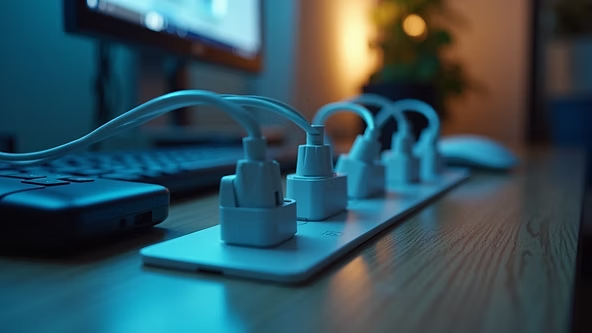
- Overloaded power strips: Avoid plugging too many devices into one strip.
- Proper use of extension cords: These should be temporary solutions, not permanent wiring.
- Appliance condition: Older appliances may need inspection or replacement if they show signs of wear.
3. Circuit Breaker Panel
Your circuit breaker panel is the heart of your home’s electrical system.
Regular checks include:
- Clear labeling: Each breaker should be clearly marked for the area or appliance it controls.
- No signs of rust or moisture: Water near the panel is a serious hazard.
- No buzzing or burning smells: These indicate electrical problems that need immediate attention.
- Test breakers periodically: Make sure they trip properly to protect your home.
4. Lighting Fixtures and Ceiling Fans
Lighting and fans are often overlooked but can pose risks if not maintained.
Proper techniques include:
- Secure mounting: Fixtures should be firmly attached to prevent falling.
- Use correct bulbs: Using bulbs with the wrong wattage can cause overheating.
- Check for flickering lights: This can signal wiring issues.
- Clean fixtures regularly: Dust buildup can cause heat retention.
How to Safely Use Electrical Devices at Home
Using electrical devices safely is just as important as maintaining the system itself.
Here are some practical tips:
- Unplug devices when not in use: This reduces fire risk and saves energy.
- Keep cords away from heat and water: Avoid running cords under rugs or near sinks.
- Don’t overload outlets: Spread out devices across different outlets.
- Use surge protectors: Protect sensitive electronics from power surges.
- Educate family members: Make sure everyone knows basic electrical safety rules.
When to Call a Professional Electrician
Some electrical tasks are best left to the experts.
If you notice any of the following, it’s time to call a licensed electrician:
- Persistent tripping of breakers or blown fuses
- Sparks or smoke from outlets or switches
- Burning smells or scorch marks near electrical components
- Flickering lights or dimming when using appliances
- Outdated or damaged wiring in older homes
A professional can perform a thorough inspection, make repairs, and upgrade your system to meet current safety standards. This is especially important if you’re planning renovations or adding new appliances.
Staying Ahead with a Home Electrical Safety Checklist
To keep everything on track, it helps to have a checklist you can follow regularly. This home electrical safety checklist covers all the points we discussed and more. Using it ensures you don’t miss anything important and helps you maintain a safe home environment.
By making electrical safety a routine part of home maintenance, we protect our loved ones and our investment. It’s a small effort that pays off in big ways.
Keeping Your Home Safe and Powered with Confidence
Electrical safety doesn’t have to be complicated or scary. With these home safety electrical tips, we can take control and prevent many common hazards. Regular checks, safe usage habits, and knowing when to call a pro are the keys to a secure home.
Remember, your home’s electrical system is vital to daily life. Treat it with care, and it will serve you well for years to come. If you ever feel unsure, don’t hesitate to reach out to trusted professionals who can provide honest advice and reliable service.
If you’re facing an electrical issue that requires attention, contact us today. Stay safe, stay powered, and enjoy the comfort of a well-maintained home.