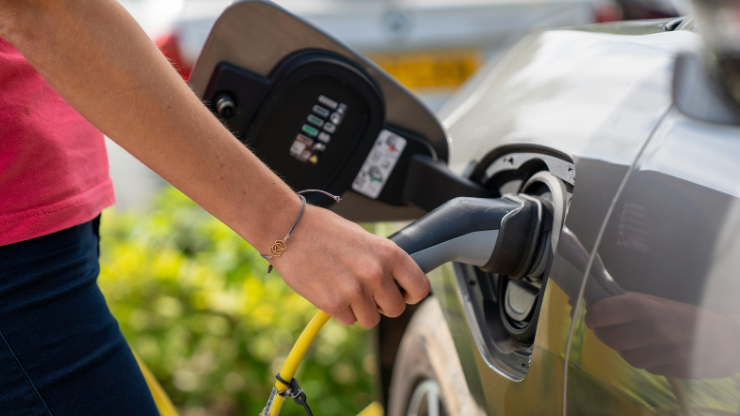
A good home EV charger circuit is about more than just plugging in a new car. It is about safe wiring, the right breaker size, and making sure your electrical system can handle the extra load day after day. When the circuit is designed well, charging is faster, more reliable, and easier on both your vehicle and your home.
As more homeowners in Snohomish, King, and Skagit Counties bring home EVs, questions pop up fast. Can the current panel handle it? Is a Level 2 charger safe in an older home? What permits do you need? In this post, we will walk through the basics, from load calculations and breaker sizing to permits and inspections, so you know what to expect when you hire a dedicated circuit electrician in the region.
We are a small, hands-on residential team, so we see these questions all the time. Our focus is on clean, professional installations and clear explanations, especially for people adding EV charging for the first time. When you understand the process, you can make better choices for your home and your driving habits.
What a Dedicated EV Charger Circuit Really Means
A dedicated circuit is simple in theory. It is a breaker and a run of wiring that serve only one thing, in this case, your EV charger. Nothing else is tied into that line, no lights, no outlets, no freezer in the corner of the garage.
That one detail makes a big difference. EV chargers are considered a continuous load, because they often run for several hours at a time.
If that same breaker is also feeding other devices, you can have:
- Overloaded wiring
- Breakers that trip often
- Extra heat in walls, especially in warm weather
- Chargers that cut out during a charging session
This is why current codes expect EV chargers to be on their own dedicated circuit. The old idea of sharing a dryer outlet or just swapping cords is usually unsafe and often not code compliant. The dryer circuit was sized and installed for one purpose. Adding an EV charger to it changes the math in a way the original design did not account for.
A dedicated circuit electrician in Snohomish will start by looking at your main panel. We check for spare breaker spaces, the rating of the panel, and how full it already is.
Then we plan a circuit sized for:
- The charger’s rated output
- The distance from panel to parking spot
- Where the wiring will run, such as finished walls, unfinished garages, or outdoors
The result is a clean, single-purpose run that charges your car predictably, is easier to troubleshoot if anything acts up, and plays much nicer with other big loads in your home like AC or a heat pump.
Load Calculations Made Simple for Snohomish Homes
Before we even talk about breaker size, we have to answer one key question: can your existing service handle an EV charger at all? That is where a load calculation comes in.
An electrical load calculation is like a budget for amps.
We add up the expected draw from things such as:
- Range or cooktop
- Electric dryer
- Water heater
- HVAC equipment or heat pump
- Hot tub or sauna
- General lighting and receptacles
- The new EV charger you want to add
A dedicated circuit electrician in Snohomish uses guidelines from the National Electrical Code and local rules to do this. The goal is to see if your 100 amp, 150 amp, or 200 amp service still has room for a Level 2 charger at the size you want.
Take a fairly typical setup in this area: electric range, heat pump, hot tub in the backyard, and a plan for a 40 amp or 50 amp EV charger. On paper it might look fine, but we have to consider that several of these loads can be on at the same time.
In some cases, it makes sense to:
- Use a slightly smaller EV charger that still meets your needs
- Add a load management device so the charger slows or pauses if the house is near its limit
- Plan a panel or service upgrade to support both current and future loads
Our job is to explain this in plain language, not in code book talk. We want you to understand what we see, what your realistic options are, and what you do and do not actually need. Honest recommendations here prevent headaches later.
Breaker Sizing and Wire Choices for EV Chargers
Once we know the home can support a charger, the next step is matching the charger size to the right breaker and wiring. With EV charging, the continuous load rule comes into play. A circuit should generally be loaded to no more than 80 percent of its breaker rating for long, steady loads.
That is why a 40 amp EV charger usually needs a 50 amp breaker, and a 48 amp charger often calls for a 60 amp breaker. The breaker is sized higher than the charger output so it can support the ongoing current without nuisance tripping, and the wiring is matched to that breaker size.
Wire choice is just as important.
We look at:
- Length of the run, since longer runs may need thicker wire to reduce voltage drop
- Whether the wiring will be in finished walls, garage spaces, or outdoors
- The type of cable or conduit that will stand up well in that space and still look clean
We also follow the charger manufacturer’s installation instructions closely. That includes approved breaker types, grounding needs, and mounting heights. This helps keep the charger warranty in good shape and makes for smoother inspections.
If you think you may add a second EV later, or upgrade to a faster charger, we can build some flexibility into the design. Sometimes that means sizing conduit a little larger, planning panel space a bit more carefully, or placing the charger where future options are easier.
Permits, Inspections, and Local Rules
Almost all EV charger installations that involve new wiring or new breakers need a permit. In Snohomish, King, and Skagit Counties, the electrician typically pulls the permit, then an inspector checks the work once it is installed.
Permits and inspections are not just paperwork.
They help make sure things like:
- Breaker and wire sizing match the load
- Grounding and bonding are correct
- Wiring is protected where it passes through walls or out to detached garages
- The installation follows both NEC rules and local amendments
Local conditions can affect design too. Many homes in this area have detached garages or shops, older panels with limited space, or longer runs from the main panel to where the car actually parks. Rural properties may have extra distance from the main service to an outbuilding. All of this changes how we route circuits and can affect material choices.
At Machias, we handle permits, coordinate with inspectors, and keep you updated as things move along. When we are finished, our goal is a neat panel with clear labeling and a charger that looks like it has always belonged there.
Get Your Snohomish Home EV Ready
If you are planning for a new EV or want charging in place before your next season of road trips, it pays to start early. A proper EV setup is not just about the charger brand, it is about the right dedicated circuit, accurate load calculations, and code-compliant wiring that keeps your home and vehicle safe.
Machias Power and Plumbing is a small, hands-on team focused on residential electrical work in Snohomish, King, and Skagit Counties. As a dedicated circuit electrician team, we walk through your existing system, explain what we find in clear terms, and recommend options that fit both your home and how you drive. When the planning is done right, you plug in at night, wake up to a charged car, and do not have to think twice about what is happening behind the panel cover.
If you are planning new equipment, an EV charger, or panel upgrades, our team at Machias is ready to help you design the right solution. We will review your goals, evaluate your existing electrical system, and provide clear recommendations before any work begins. To request an appointment or ask a question, simply contact us.