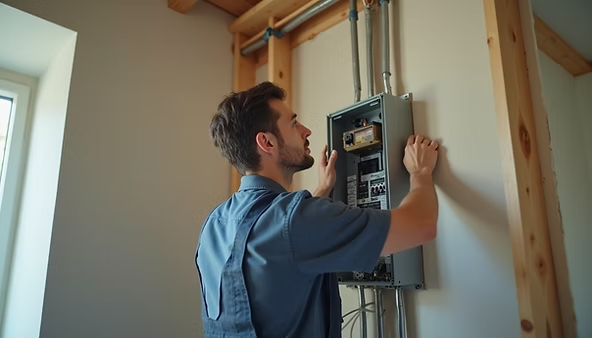
An electrical problem rarely starts out loud and obvious. Many Snohomish, King, and Skagit County homeowners first notice small warning signs, like lights that flicker when the dryer kicks on, a faint burning smell in a hallway, or a breaker that keeps tripping for no clear reason. Those little clues can point to hidden problems in the walls, the panel, or at outlets that are quietly putting your home at risk.
A home electrical safety inspection goes well beyond a quick glance at the panel. A careful inspection checks the service coming into your home, the main panel and breakers, grounding, key circuits, outdoor wiring, and how major appliances are fed. The goal is simple: find issues before they turn into shocks, damaged equipment, or fires, and give you confidence that your wiring can handle everyday life and heavier summer loads.
What a Thorough Electrical Safety Check Reveals
A real electrical safety inspection is hands-on, not just a flashlight peek into the panel. It is meant to answer questions like: Is this system safe? Is it sized for what we are asking it to do? Where are the weak spots?
A typical safety check includes:
- Main service and panel, including breaker size, labeling, and signs of overheating
- Branch circuits and connections where accessible
- Grounding and bonding for your home and equipment
- Exterior outlets, lighting, and any exposed wiring
- Key appliances, such as ranges, dryers, heat pumps, and water heaters
What this type of inspection reveals can range from simple fixes, like missing covers or loose terminations, to serious hazards, like damaged insulation or recalled equipment. The peace of mind often comes from knowing what is fine, what needs attention soon, and what needs to be handled right away, especially before heavier summer usage and drier wildfire conditions.
Our goal as a residential electrical contractor is to keep the process calm and clear. We focus on clean workmanship and plain language explanations so you know exactly what we see and why it matters.
Why Snohomish Homes Need Regular Electrical Checkups
Homes in Snohomish, King, and Skagit Counties cover a wide range of ages. Some started as older farmhouses that have seen decades of add-ons. Others are mid-century houses with original panels, and newer builds that now have extra loads like EV chargers and outdoor living spaces. That mix often means layers of wiring from different eras working together.
Our local weather also puts extra stress on electrical systems.
Winter storms, damp conditions, and roof or siding leaks can lead to:
- Corrosion on outdoor panels and meter bases
- Moisture getting into boxes and conduit
- GFCI outlets failing early near sinks and outside
Summer heat waves are tough on wiring too. When you add window AC units, portable coolers, and space heaters during shoulder seasons, older or undersized circuits can overheat. Throw in EV charging, hot tubs, or backyard kitchens, and the demand on your panel climbs quickly.
Regular electrical checkups help catch undersized or outdated wiring before it is pushed past its limits. They also give you a record that problems were found and corrected by a pro, which many homeowners prefer to have if something ever does go wrong and an insurance claim is involved.
What Happens During a Home Electrical Safety Inspection
A home electrical safety inspection should feel structured, not rushed or based on guesswork. Here is how a typical visit with our team usually flows.
We start with a quick greeting and walk-through.
We listen to your concerns first, such as:
- Rooms with flickering or dimming lights
- Outlets that feel warm or buzz
- Breakers that trip when you plug in certain things
- Areas where extension cords are used all the time
Then we work through a checklist.
Key checkpoints include:
- Main service and panel: overall condition, labeling, capacity, rust, hot spots
- Wiring and connections where visible: attics, crawlspaces, open basements, and garages
- Protection devices: GFCI and AFCI where required
- Smoke and CO detectors: presence, location, and basic condition
- Outdoor circuits: decks, sheds, garages, and exterior outlets
- Grounding and bonding: how your home and equipment are tied to ground
We use simple tools like plug-in testers, voltage testers, and in some cases, infrared temperature checks to spot hot connections. Load assessments help us see whether circuits are carrying more than they should on a regular basis.
As we move through the inspection, we explain what we see in plain terms. We separate findings into urgent safety hazards, recommended corrections, and longer-term upgrade ideas so you know what deserves attention first.
Common Issues Snohomish Electricians Find and Fix
Certain problems show up again and again during a home electrical safety inspection in Snohomish, especially in older or heavily updated homes.
Common panel and wiring issues include:
- Outdated panels with fuses or older, recalled models
- Double-tapped breakers, where two wires share a breaker made for one
- Loose neutrals that can cause flickering and uneven voltage
- Aluminum branch wiring that needs special handling and terminations
We also see everyday hazards in living areas:
- Missing GFCI protection in kitchens, bathrooms, garages, and outside
- Overloaded power strips under desks or behind TVs
- DIY wiring in attics, crawlspaces, and sheds
- Exterior outlets and lights without proper covers or weather protection
Special circuits for generators, EV chargers, and hot tubs often have their own set of problems. These can include undersized wiring, missing permits, or lack of a safe transfer method for generators. During storms or heat waves, these mistakes can lead to shock risks, damaged equipment, or backfeeding into utility lines.
Catching these issues early with clean, code-compliant repairs is almost always easier and less stressful than dealing with sudden failures, damaged electronics, or a fire.
Panels, Generators, EV Chargers, and Next Steps
Many inspections uncover not just things that need repair, but also chances to make your system work better for how you actually live. As homes add more loads, panel and service upgrades become a smart step, not just a nice extra.
After an inspection, common upgrade paths include:
- Replacing outdated or crowded panels
- Adding new circuits for heavy-use rooms
- Organizing breakers so related areas are grouped and clearly labeled
Generator readiness is another big area in our region. For homes with standby or portable generators, we look at whether there is a safe interlock or transfer switch, proper outdoor placement, and correct wiring so power cannot flow back into utility lines.
EV ownership is growing in Snohomish, King, and Skagit Counties, and a dedicated, properly sized EV charger circuit is important. It helps keep charging reliable, protects your panel from overload, and avoids running high current through outlets that were never designed for it.
During our wrap-up, we talk through what truly needs to be done now for safety, what can reasonably wait, and different options for repair or upgrade paths so you can plan in a way that fits your priorities.
How to Prepare for Your Summer Electrical Inspection
Preparing your home a little before an inspection visit helps everything go smoothly and keeps the visit shorter and less disruptive.
A simple prep list includes:
- Clear access to the main panel and any subpanels
- Open paths to attic or crawlspace entries, if possible
- Space around large appliances like dryers and ranges
- Any past inspection reports or notes you might have
It also helps to jot down concerns ahead of time, such as:
- Specific lights or outlets that act up
- Rooms that seem weaker on power
- Breakers you reset often
- Places where extension cords have become permanent
A thorough home electrical safety inspection in Snohomish, King, or Skagit County usually takes long enough to check all key areas without rushing. Some parts of the home may briefly lose power while circuits are tested, but we explain this before flipping anything off so you are not caught off guard.
During the visit, we work to keep things low-stress: clear arrival windows, tidy habits with drop cloths when needed, and full cleanup of any dust or debris we create. At the end, we reserve time for your questions and to outline next steps in straightforward language so you are never left wondering what comes next.
Protect Your Home With a Professional Safety Inspection Today
If you are concerned about hidden electrical hazards or an aging system, we can help you get clarity and peace of mind. Schedule a thorough home electrical safety inspection in Snohomish and let Machias Power and Plumbing identify issues before they become costly or dangerous problems. Reach out today to talk with our team, review your needs, and set up a convenient appointment, or contact us with any questions about your electrical system.