When it comes to protecting our homes from unexpected electrical surges, a whole house surge protector is one of the smartest investments we can make. Power surges can damage or destroy expensive appliances, electronics, and even the wiring in our homes. That’s why it’s important to understand what a whole house surge protector does and how to choose the best one for your home. In this post, we’ll walk through everything you need to know to keep your home safe and your mind at ease.
Why Whole House Surge Tips Matter
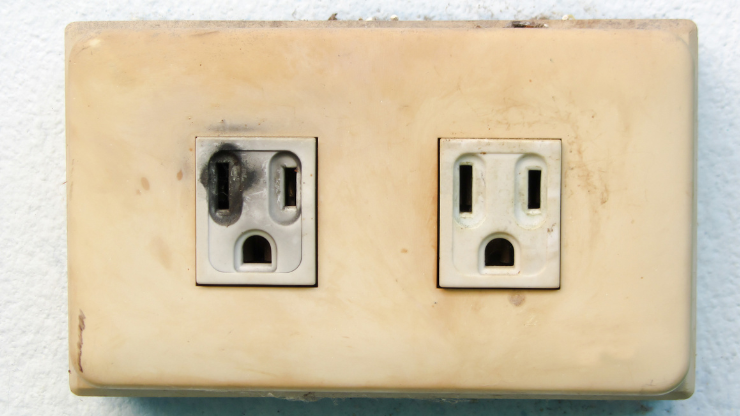
Power surges happen more often than we might think. They can be caused by lightning strikes, power outages, or even the simple act of turning on large appliances. Without proper protection, these surges can cause serious damage to your home’s electrical system and the devices plugged into it.
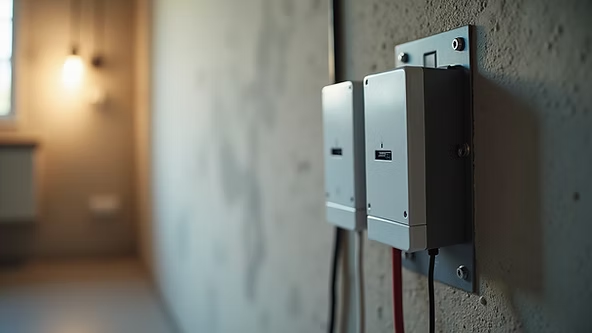
A whole house surge protector acts as a shield. It’s installed at your electrical panel and works by diverting excess voltage away from your home’s wiring. This means that instead of your appliances and electronics getting fried, the surge protector absorbs or redirects the surge safely.
Here are some key benefits of having a whole house surge protector:
- Protects all your home’s electrical devices at once
- Reduces the risk of electrical fires caused by surges
- Extends the lifespan of your appliances and electronics
- Provides peace of mind during storms or power fluctuations
Essential Whole House Surge Tips for Homeowners
If you’re thinking about installing a whole house surge protector, there are a few important things to keep in mind. First, not all surge protectors are created equal. Some are designed for light protection, while others can handle larger surges caused by lightning strikes or utility issues.
Here are some practical tips to help you get started:
- Check your home’s electrical panel compatibility: Make sure the surge protector you choose fits your panel type and amperage.
- Look for UL 1449 certification: This certification ensures the device meets safety and performance standards.
- Consider the surge protection rating (joules): The higher the joule rating, the more energy the protector can absorb. For whole house protection, look for at least 1000 joules or more.
- Think about response time: Faster response times mean better protection for your devices.
- Plan for professional installation: Surge protectors should be installed by a licensed electrician to ensure safety and effectiveness.
By following these tips, you’ll be well on your way to safeguarding your home’s electrical system.
How to Pick the Right Whole House Surge Protector
Choosing the right whole house surge protector can feel overwhelming with so many options on the market. But if we break it down, it becomes much simpler.
Here’s a step-by-step guide to help you make the best choice:
Assess your home’s needs
Consider the size of your home, the number of electrical devices you have, and the typical weather conditions in your area. Homes in regions with frequent storms may need higher-rated surge protectors.
Understand the types of surge protectors
- Type 1: Installed at the service entrance, designed to handle external surges like lightning.
- Type 2: Installed at the main electrical panel, suitable for most residential applications.
- Type 3: Point-of-use devices for individual appliances, not whole house protection.
Check the joule rating
The joule rating tells you how much energy the surge protector can absorb before it fails. For whole house protection, aim for a device with at least 2000 joules for better durability.
Look for additional features
Some surge protectors come with indicator lights to show they are working properly, or remote monitoring options for added convenience.
Get a professional opinion
A licensed electrician can evaluate your home’s electrical system and recommend the best surge protector for your specific needs.
By following these steps, you can confidently select a surge protector that fits your home and budget.
Why Professional Installation Matters
While it might be tempting to install a surge protector yourself, professional installation is highly recommended.
Here’s why:
- Safety first: Working with your home’s electrical panel can be dangerous without proper training.
- Correct installation: A professional ensures the surge protector is installed in the right location and wired correctly.
- Warranty protection: Many surge protector warranties require professional installation to remain valid.
- Compliance with local codes: Electricians know the local electrical codes and will make sure your installation meets all requirements.
Hiring a trusted electrician not only protects your home but also gives you peace of mind that the job is done right.
Taking the Next Step in Protecting Your Home
If you’re ready to protect your home from power surges, start by researching your options and understanding your home’s electrical system. Remember, choosing a whole house surge protector is an important decision that can save you money and stress in the long run.
At Machias Power and Plumbing, we’re here to help homeowners in Snohomish, King, and Skagit Counties with honest advice and reliable service. Whether you need a consultation or professional installation, we’re ready to make sure your home stays safe and powered up. Investing in a whole house surge protector is a smart move for any homeowner. It’s a simple step that offers big protection for your home and everything inside it.
By taking these whole house surge tips seriously, you’re making a choice that benefits your home today and for years to come. Don’t wait for the next storm or power surge to cause damage. Protect your home with the right surge protector and enjoy the peace of mind that comes with knowing your electrical system is secure.