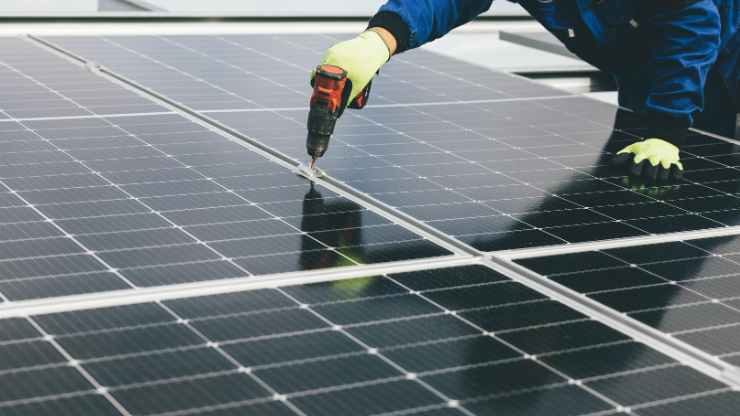
Reliable power matters more now that many homes rely on solar panels, electric vehicles, and electric heat. When the grid goes down, you quickly see how much your day depends on steady electricity. Lights, internet, heat, and charging all become a lot more important when the house goes dark.
Around Snohomish, King, and Skagit Counties, windstorms, heavy rain, and winter weather can knock out power with very little warning. Fallen trees, damaged lines, and PUD grid problems can leave you without power for hours or even days. That can mean lost work time, spoiled food, stress over medical devices, and a lot of scrambling.
In this article, we will walk through how to plan backup power for a home that may already have solar, EV charging, or electric heating. We will explain common backup options, how a home battery backup in Snohomish fits in, and why a clear plan keeps your home safe, comfortable, and ready for the next storm.
How Pacific Northwest Weather Shapes Your Backup Needs
Snohomish, King, and Skagit Counties see a bit of everything. Spring and summer can be mild, with a few hot spells and wildfire smoke days that make AC or heat pumps work harder. Fall and winter often bring strong winds, heavy rain, and wet snow, which can drop branches onto power lines, especially in wooded areas.
Your daily power use has a big effect on what kind of backup makes sense.
Homes with any of the following tend to need more thoughtful planning:
- Electric heat or heat pumps
- Well pumps
- Sump pumps or drainage systems
- Home offices with computers, monitors, and networking gear
- Multiple fridges or freezers
If you work from home, even a short outage can be a problem. No internet, no lights, and dead laptops can mean missed deadlines and meetings. If someone in the home relies on powered medical equipment, even a brief loss of power may not be acceptable.
Most outages in this area last from a couple of hours up to a couple of days. That range is important. Short, rare outages may be handled by a small portable generator or a modest battery system. Longer or more frequent outages push you toward a larger standby generator, a larger home battery backup, or a mix of both. Sizing is key so that the backup system can run the loads you care about without tripping, stalling, or overloading.
Choosing Between Generators and Home Battery Backup
There are three main backup options most homeowners consider: portable generators, automatic standby generators, and home battery backup systems. Each has strengths and trade-offs.
Portable generators are the most basic option. They sit outside, connect through a proper inlet and transfer switch, and are started by hand.
They can be a good fit if you:
- Only need to run a few circuits
- Are comfortable storing and handling fuel
- Do not mind noise during an outage
Automatic standby generators sit outside like a small AC unit and are tied into your gas or propane supply. They turn on by themselves when the power drops.
They are often used when:
- You need to keep more of the house running
- Outages happen often or last longer
- You want the system to start without you being there
Home battery backup systems are quiet and clean. They can be paired with solar, and they switch on almost instantly when the power goes out. There is no fuel to store, and they can be placed indoors or mounted on a wall.
They are a strong choice if you:
- Want quiet, low-maintenance backup
- Have or plan to add solar
- Care about indoor air quality and do not want exhaust near windows
On the other hand, batteries have a finite energy capacity, so they need careful planning of what they will power and for how long. Large electric heaters or whole-home AC may drain them too quickly.
A smaller home that only needs lights, Wi-Fi, a fridge, and a gas furnace fan might do very well with a battery system or a modest portable generator. A larger home with multiple fridges, well pump, medical devices, and home offices might lean toward a bigger standby generator, a larger battery system, or a hybrid approach. A good planning session with a licensed electrician helps match real life needs to the right choice, with clear communication so there are no surprises.
Pairing Solar, EV Chargers, and Battery Storage
One surprise for many homeowners is that solar panels usually shut off during a power outage. This is for safety so the panels do not push power back onto the grid lines while crews are working. That means solar alone is not backup power.
When you add a properly designed home battery backup in Snohomish, things change. During an outage, a battery system can disconnect from the grid and form a small power system for key circuits. Solar can then help recharge the battery during the day while the battery keeps your critical loads running.
EVs are now a big part of many homes. A Level 2 charger adds a large load to your panel. This can trigger the need for a panel upgrade or a smart design that balances EV charging with other large loads. Some EV models promote the idea of using the car as backup power. In practice, this is still limited. Not every vehicle and charger supports this, and it often needs special equipment and wiring. It is important to understand what is actually supported, not just what ads promise.
A clean system design ties everything together:
- Solar panels and inverters
- Battery storage
- EV chargers
- Generators and transfer equipment
- Main panel and any subpanels
With clear labels and a well-thought-out layout, you know exactly which circuits will stay on in an outage and how each part of the system behaves.
Right-Sizing Panels and Circuits for Safe Backup Power
Older homes in Snohomish, King, and Skagit Counties often have panels that are too small for modern loads. Limited amperage and crowded panels can hold back solar size, EV charging, and backup options. In many cases, upgrading the panel is the safest way to support current needs and leave room for future changes.
A critical-load subpanel is one of the best tools for backup planning. Instead of trying to power the entire house, a subpanel gathers only the circuits you truly need during an outage, such as:
- Fridge and freezer
- Wi-Fi and key outlets for work devices
- Well pump or sump pump
- Basic lighting in key rooms
- Furnace or heat pump controls, if practical
This setup keeps your generator or battery from being overloaded by big, nonessential loads. It also makes outage life simpler, since you are not running around flipping breakers or guessing what you can turn on.
Safe backup power also depends on permits, inspections, and solid workmanship. Transfer switches, interlocks, generator inlets, and battery systems must be wired correctly to prevent backfeeding the grid and to protect your home. At Machias Power and Plumbing, we focus on clean, professional work and clear communication, so you know what was installed, how it works, and how to use it when the power goes out.
Your Next Steps to Reliable Backup Power in Washington
A little planning goes a long way. Before you bring in an electrician, it helps to:
- Gather a few recent PUD bills to see your typical usage
- Make a list of must-run items during an outage
- Note any near-future changes, like adding an EV, solar, or heat pump
- Think about how long you would like to stay powered during a storm
For homeowners in Snohomish, King, and Skagit Counties, a well-planned system, whether that is a generator, a home battery backup, or a thoughtful mix of both, can turn outages from stressful events into minor bumps. With the right design, you can head into storm season knowing your lights, food, and daily life are protected.
Get Started With Your Project Today
If you are ready to protect your home from unexpected outages, we can help you design the right home battery backup in Snohomish for your needs and budget. Our team at Machias will walk you through equipment options, placement, and installation details so you know exactly what to expect. Reach out today and let us answer your questions, provide a clear estimate, and schedule your project. If you are prepared to move forward, simply contact us to get started.