
Adding a new circuit in your Snohomish, King, or Skagit home sounds simple. You want a couple of new outlets for a home office, a new circuit for window A/C units, or more power in the garage. It feels like it should just be one more breaker and a run of wire. But that new circuit changes how your whole electrical system carries power.
New wiring affects load on your panel, fire risk inside your walls, and even how your insurance company views your home. When work is done without permits or inspections, the problems often stay hidden until something overheats, a breaker keeps tripping, or an inspector shows up during a sale.
In this post, we will walk through when permits are usually needed for new circuit installation in Snohomish, King, or Skagit County homes, how electrical codes work, what inspectors actually look for, and why having a licensed electrician do the work protects your family and your investment.
When New Circuits Require a Permit
In most cases, adding a brand new circuit is considered new electrical work, not just a repair. That usually means a permit and inspection are required, whether you live in Snohomish, Everett, or another nearby city.
Common projects that often trigger a permit include:
- Adding dedicated circuits for kitchen appliances like microwaves, dishwashers, or disposals
- Running new circuits for AC units, heat pumps, or electric heaters
- Installing an EV charger or shop equipment that needs its own breaker
- Powering hot tubs, saunas, or backyard features
- Wiring new outlets and lights in a finished basement or addition
There is a difference between swapping something on an existing circuit and creating a brand new run of cable back to the panel.
For example:
- Replacing a worn receptacle with the same type in the same box is usually considered minor repair
- Adding more receptacles to an existing circuit may still trigger code and permit requirements, depending on the scope
- Pulling a new cable from the panel to feed new outlets or equipment is typically treated as new work that must be inspected
Rules can change based on where you live. Everett, a smaller city, and unincorporated Snohomish County can each have their own permitting process and inspectors. Before any work starts, it is smart to check with your local building department or talk with a licensed electrician who is familiar with the area.
How Electrical Codes Protect Your Home and Family
The National Electrical Code, or NEC, is the main set of rules used across the country for safe electrical systems. Washington and local jurisdictions adopt versions of the NEC and may add some of their own local rules. These codes are updated on a regular cycle, and new circuit installations are expected to follow the version that is currently in force.
For new circuits, a few key safety concepts matter a lot:
- Wire sizing: The wire has to be thick enough for the breaker size and the length of the run. Undersized wire can overheat inside walls.
- Breaker sizing: The breaker must match the wire and the expected load. A breaker that is too large may not trip before the wire gets dangerously hot.
- Arc-fault protection: Many living areas now require arc-fault circuit interrupters that trip when they sense dangerous arcing, which can prevent electrical fires.
- Ground-fault protection: Circuits in bathrooms, kitchens, garages, and outdoor areas often need GFCI protection to help protect people from shock.
- Required outlet placement: Finished rooms, counters, and outdoor spaces have spacing rules so you are not forced to rely on risky extension cords.
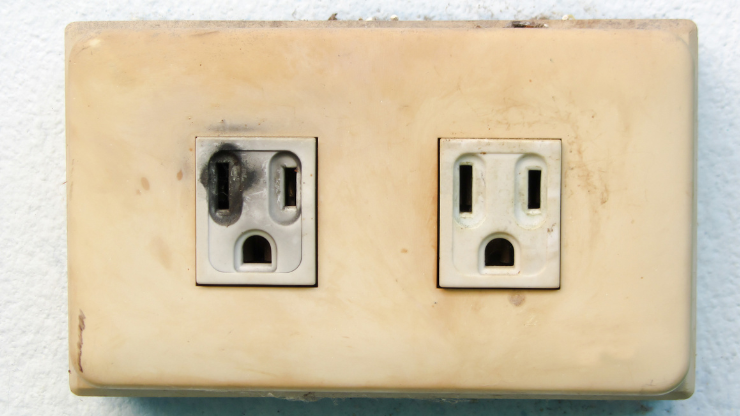
When these rules are ignored, the results can be serious. Overloaded panels can run hotter than they should. Wires hidden in walls can slowly cook their insulation. Breakers that constantly trip may be warning you of a real hazard, not just being annoying. If a fire ever does happen and an insurer discovers unpermitted or unsafe wiring, it may affect how they handle a claim.
What Inspectors Look for on New Circuit Installations
Many homeowners feel nervous about inspections, but inspectors are really checking to see that your new circuit meets the code that is in place at the time of the work. With clean, professional installation, the process is usually straightforward.
For a new circuit, an inspector will typically look at:
- Permit paperwork and that the work matches what was approved
- Panel labeling so each new breaker is clearly marked
- Correct breaker type and size, including AFCI or GFCI where required
- Wire type, gauge, and how the cable is routed and supported
- Box fill, meaning the box is not overcrowded with wires and devices
- Proper grounding and bonding and tight, correct terminations
On remodels or additions, inspections often happen in two stages:
- Rough-in: Before walls are closed, the inspector checks cable routes, staples, box locations, and bonding
- Final: After devices, covers, and fixtures are installed, the inspector verifies operation, labeling, and finish details
Neat work really helps. Straight cable runs, properly supported wires, and tidy panels make it easier for the inspector to see what is going on. A passed inspection gives you written proof that the work met code at the time, which can be helpful when you sell your home or if you ever need to show documentation to an insurer.
DIY vs. Hiring a Licensed Electrician for New Circuits
It is natural to want to save money and tackle projects yourself. For electrical work, especially new circuits, there is a limit to what makes sense for a homeowner to handle.
Homeowners can often help with:
- Planning where they want outlets, lights, or equipment
- Clearing access to panels, attic spaces, and crawlspaces
- Talking through how they plan to use a space so circuits can be laid out well
The critical pieces are best handled by a licensed electrician, such as:
- Checking that your existing service and panel can safely handle new loads
- Doing proper load calculations instead of guessing
- Sizing wire and breakers correctly and selecting the right devices
- Pulling the permit under their license and coordinating with the local inspector
- Testing and troubleshooting if a breaker trips or a device is not behaving as it should
This is especially important as the weather warms up and people plug in more AC units, fans, dehumidifiers, shop tools, and backyard lighting. New circuit installation in Snohomish, King, or Skagit County homes before peak heat or busy outdoor season helps you avoid frustration later when you really need the power to be reliable.
How Machias Electrical Makes New Circuit Work Easier
At Machias Power and Plumbing, we focus on making the process clear and low stress for homeowners in Snohomish, King, and Skagit Counties. We take time to explain whether a permit is required, how the work will be staged, and what you can expect with timing and inspections, all in plain language without pressure.
Homeowners often tell us they appreciate:
- Straightforward answers to code and safety questions
- Neat panel labeling that actually makes sense when you open the door
- Tidy cable runs that look organized, not messy
- Careful planning to limit drywall cuts and patch work
- Thorough cleanup so the only thing that looks different is that your power works better
Whether you are planning an EV charger, a small home office, more power in the garage, or circuits for backyard lighting and features, getting new circuits installed correctly protects your home and keeps your family safer every time you flip a switch.
If you are planning a remodel, adding major appliances, or need a safer power solution, we are ready to help you with all of your electrical needs. At Machias Power and Plumbing, we take the time to assess your needs and design circuits that fit your home or business now and in the future. Reach out today to discuss your project, get clear answers, and schedule service, or contact us to request an appointment.