When your AC is humming, the hot tub is bubbling, and someone plugs in the EV, that little click of a tripping breaker is your home saying, “I am at my limit.” Lights that flicker, warm outlets, or breakers that trip when you run more than one big appliance are not just annoying. They are warning signs that a circuit may be carrying more than it should.
A dedicated circuit is a single electrical line that serves one major appliance or system, with its own breaker and properly sized wiring. It does not share power with other outlets or lights. EV chargers, hot tubs, HVAC equipment, and big kitchen appliances usually need this kind of setup.
Good dedicated circuits make daily life smoother and safer. They cut down on nuisance breaker trips, lower the risk of overheating and electrical fires, help expensive equipment run the way it was designed, and protect your investment in your home and appliances. We will walk through how to think about power needs, how a dedicated circuit electrician looks at your home, what affects cost, and why clean, code-compliant work matters more than a bargain price.
How Dedicated Circuits Keep Snohomish Homes Safe and Reliable
Many homes in Snohomish and North King Counties were wired long before EVs, hot tubs, and high-efficiency heat pumps were common. Back then, one circuit might feed several rooms, a few outlets, and some lights. That worked fine for toasters and box fans, but it is not a great match for an EV charger plus a modern microwave and range.
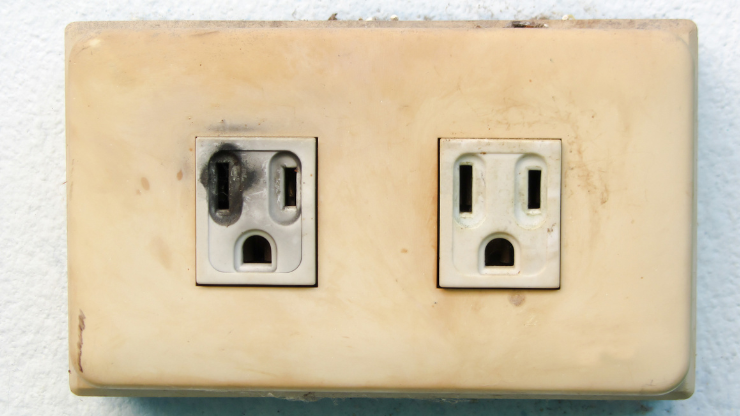
When a shared circuit is overloaded, several things can happen. Breakers may trip often and get reset without fixing the root problem, and wires behind walls can overheat over time. You may also notice outlets getting loose or discolored from heat, while motors and electronics inside your appliances wear out early.
Code and good practice usually call for dedicated circuits for:
- Level 2 EV chargers
- Electric ranges, cooktops, and wall ovens
- Built-in microwaves
- Dishwashers and garbage disposals
- Hot tubs, spas, and some pools
- Mini-splits and heat pumps
- Many larger window or through-the-wall AC units
A dedicated circuit electrician in Snohomish will not only run new wire and set a breaker. They will also check your panel capacity, confirm grounding and bonding, pull the right permits, and label everything clearly, so the next time someone works on your system, they know exactly what feeds what.
Sizing Dedicated Circuits for EV Chargers, Hot Tubs, and HVAC
Sizing a dedicated circuit starts with simple math. Every appliance has a watt or amp rating on a label. We convert that into how many amps the circuit must safely carry, then add safety margins and follow electrical code rules. That tells us breaker size and wire gauge.
For EV chargers, common circuit sizes include:
- Around 30 amp circuits for slower Level 2 chargers
- Around 40 amp circuits that give a good balance of speed and cost
- Larger 50 amp or more circuits for higher-output chargers
The right choice for an EV circuit depends on your panel capacity, where the charger will be located, and how many miles you usually drive in a day. Clean, professional installations help protect both the vehicle and your home wiring, especially with frequent daily charging. Hot tubs and spas usually draw a lot of power, and many need 240 volts with dedicated circuits in the 40 to 60 amp range. With hot tubs, proper GFCI protection, correct burial depth for outdoor wiring, and weather-rated equipment are especially important in our damp climate. Poor or makeshift wiring around water is never worth the risk.
HVAC equipment, like heat pumps and mini-splits, also need correctly sized dedicated circuits. The compressor outside and the air handler or head units inside each have their own power needs. If the wiring is undersized or the breaker is wrong, you can get trips right when you need heating or cooling the most, or you can shorten the life of the equipment.
Planning Kitchen and Laundry Circuits for Everyday Comfort
Kitchens are some of the busiest spaces in the house, and they also pull some of the highest loads.
A modern kitchen often has dedicated circuits for:
- Electric range or cooktop
- Wall oven
- Built-in microwave
- Dishwasher
- Garbage disposal
- At least two small-appliance circuits for countertop devices
Separating these loads keeps lights from dimming every time you start a kettle and reduces the chance that a mixer, toaster, and coffee maker together will trip a shared circuit.
Laundry areas have similar needs. Electric dryers almost always need a 240-volt dedicated circuit, and some high-efficiency washers also work best when they are not sharing a circuit with other big loads.
When a dryer and other appliances share a weak or old circuit, you can see:
- Hot or buzzing outlets
- Breakers tripping when the dryer cycles on
- Longer drying times from low voltage under load
For older homes, upgrades can often be done in stages. We may rewire one section of the kitchen at a time, add a small number of dedicated circuits now, and plan ahead for future remodels.
Good communication matters here, and a professional residential electrician should:
- Ask about your current and future appliances
- Explain which circuits serve which rooms and loads
- Label breakers in plain language
- Make sure you feel comfortable using the new system
What Dedicated Circuits Really Cost in Snohomish, King, and Skagit County
The cost of adding dedicated circuits can vary quite a bit from house to house.
Some of the main drivers include:
- Distance from panel to the appliance location
- Whether walls and ceilings are open or finished
- Need for trenching or outdoor conduit for hot tubs or EVs
- Available space and capacity in your existing panel
- Permit and inspection requirements
- Whether GFCI or AFCI protection is needed or already in place
For example, a nearby EV charger circuit on a garage wall with easy access is usually simpler than a long run to a detached shop. A hot tub that needs outdoor-rated gear and trenching will often take more material and labor than a short indoor run. Kitchen and laundry circuits might involve cutting and repairing drywall, which can also affect the total project cost.
While it can be tempting to focus only on the lowest price, the quality of the work has a big impact on long-term value. Thoughtful design and clean, careful installation can reduce the chance of damaged equipment, lower the odds of repeated service calls for nuisance trips, support future upgrades (such as a second EV or an added heat pump), and help keep your electrical system closer to current safety standards.
A dedicated circuit electrician should be willing to walk you through a written estimate, explain different options, and help you prioritize what is most important for safety and comfort right now. Clear communication lets you plan projects in a way that works for your budget and your home.
Get Started With Your Project Today
If you are planning new appliances, a workshop, or a home office, we can design and install the dedicated circuits you need for safe and reliable power. As your local dedicated circuit electrician in Snohomish, Machias Power and Plumbing will evaluate your panel, discuss your usage, and provide clear recommendations before any work begins. Reach out today to schedule an appointment or ask questions about your project, or contact us to get a tailored estimate.