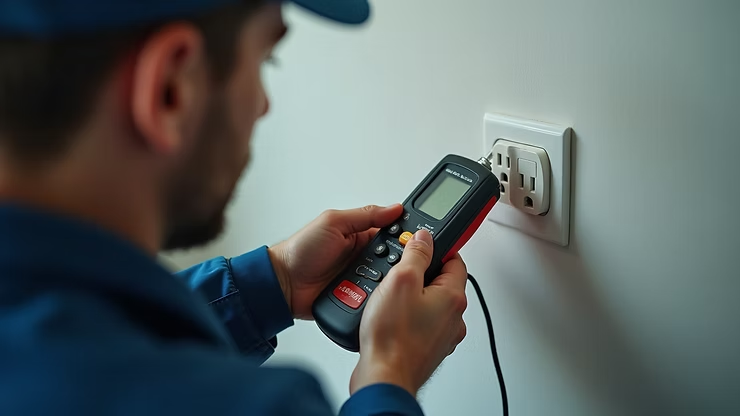
When it comes to our homes, safety is always a top priority. One area that often gets overlooked is the electrical system. Faulty wiring, outdated panels, or overloaded circuits can pose serious risks, including fires and electrical shocks. That’s why a thorough home electrical safety inspection is essential. It helps us identify potential hazards before they become emergencies and ensures our homes stay safe and comfortable.
Why Regular Electrical Inspections Matter
Electrical systems are complex and can degrade over time. Even if everything seems fine on the surface, hidden issues might be lurking behind walls or in your breaker panel.
Regular inspections help us:
- Detect worn-out wiring or damaged insulation
- Identify overloaded circuits or improper installations
- Ensure grounding and bonding are up to code
- Spot signs of electrical arcing or overheating
By catching these problems early, we reduce the risk of electrical fires and costly repairs. Plus, inspections can improve the efficiency of your electrical system, potentially lowering your energy bills.
What Does a Home Electrical Safety Inspection Include?
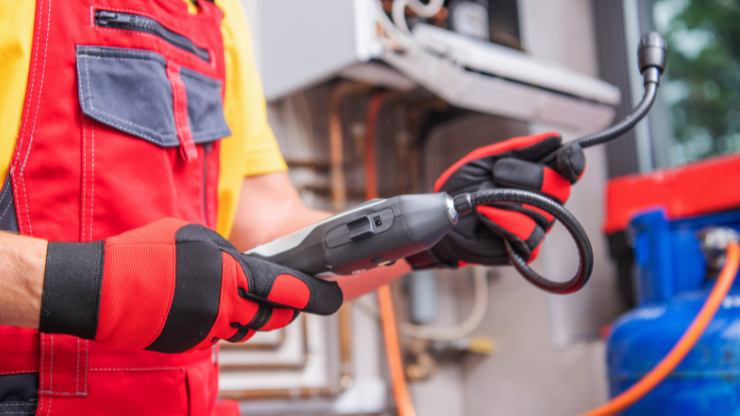
A comprehensive inspection covers every part of your home’s electrical system.
Here’s what you can expect:
-
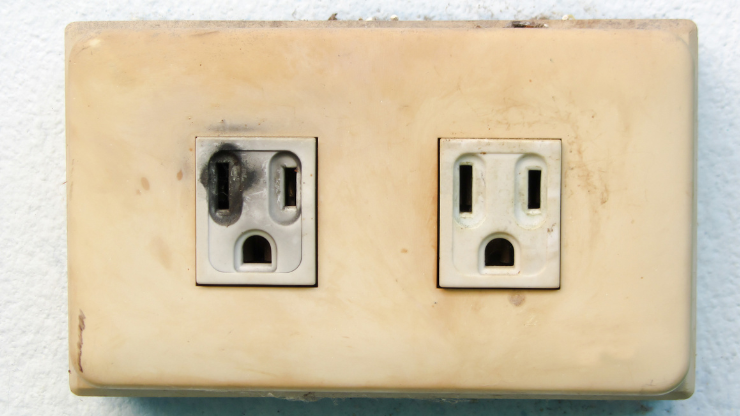
Visual Examination – The electrician will check outlets, switches, light fixtures, and visible wiring for signs of damage or wear. They’ll look for loose connections, discoloration, or scorch marks.
-
Breaker Panel Check – The main service panel is inspected for corrosion, proper labeling, and any signs of overheating. The electrician will also test breakers to ensure they trip correctly.
-
Grounding and Bonding Verification – Proper grounding protects you from electrical shocks. The inspection confirms that grounding systems are intact and functioning.
-
Testing GFCI and AFCI Devices – Ground Fault Circuit Interrupters (GFCIs) and Arc Fault Circuit Interrupters (AFCIs) are safety devices that prevent shocks and fires. The inspector will test these devices to make sure they work.
-
Wiring Inspection – The electrician will check for outdated wiring types like knob-and-tube or aluminum wiring, which can be hazardous. They’ll also assess if the wiring meets current safety standards.
-
Load Assessment – This involves evaluating your home’s electrical load to ensure circuits aren’t overloaded, which can cause breakers to trip or wires to overheat.
-
Smoke and Carbon Monoxide Detectors – While not strictly electrical, these devices are often checked during inspections to ensure they are properly installed and functional.
Signs You Need an Electrical Inspection Now
Sometimes, it’s obvious that your electrical system needs a checkup.
Here are some warning signs to watch for:
- Flickering or dimming lights when you use appliances
- Frequent breaker trips or blown fuses
- Warm or discolored outlets and switches
- Buzzing or crackling sounds from outlets or panels
- Burning smells near electrical devices
- Outlets that don’t work or feel hot to the touch
- Visible damage to cords or wiring
If you notice any of these, don’t wait. Scheduling a professional inspection can prevent accidents and costly repairs down the road.
How to Prepare for Your Electrical Safety Inspection
Preparing your home for an inspection can make the process smoother and more effective. Here are some tips:
- Clear Access to Panels and Outlets – Make sure your electrician can easily reach your breaker panel, outlets, and switches.
- List Any Electrical Issues – Write down any problems you’ve noticed, such as flickering lights or outlets that don’t work.
- Check Your Appliances – Unplug any appliances that may interfere with testing or that you suspect might be causing issues.
- Know Your Home’s Electrical History – If you have records of past electrical work or upgrades, have them ready to share.
- Plan for Repairs – Be prepared to discuss any recommended repairs or upgrades after the inspection.
What Happens After the Inspection?
Once the inspection is complete, the electrician will provide a detailed report.
This report will include:
- A summary of findings
- Any safety hazards identified
- Recommended repairs or upgrades
- Estimated costs and timelines
From there, you can decide which repairs to prioritize. Some issues, like faulty breakers or exposed wiring, should be addressed immediately. Others, such as upgrading outlets or adding AFCI protection, can be scheduled for later.
Remember, investing in electrical safety now can save you money and stress in the future.
Trusting the Right Professionals for Your Home
Electrical safety is not something to take lightly. By staying proactive and scheduling regular inspections, we protect our homes and loved ones from preventable hazards. Whether you’re dealing with an older home or just want peace of mind, a thorough electrical inspection is a smart step.
At Machias Power and Plumbing, we pride ourselves on being your trusted partner for all electrical services. We bring a personal touch to every job, ensuring your home’s electrical system is safe, efficient, and up to code.
Let’s work together to keep your home’s electrical system in top shape. Reach out today to learn more about how we can help you maintain a safe and reliable electrical setup.